Sowing Seeds of Peace: Our Partners Reflect on 2025
Over 2025, we have grown in trust and deepened our relationships with our partners - both those we’ve known for years and those who have just joined us. In January, we asked our partners to reflect on their 2025 peacebuilding work and look forward to 2026. Many of them have been peacebuilders for years and we are continually learning from their thoughtfulness and expertise. We wanted to share their reflections with you, in their own words.
Kent Computer Training Centre (KCTC), Nigeria
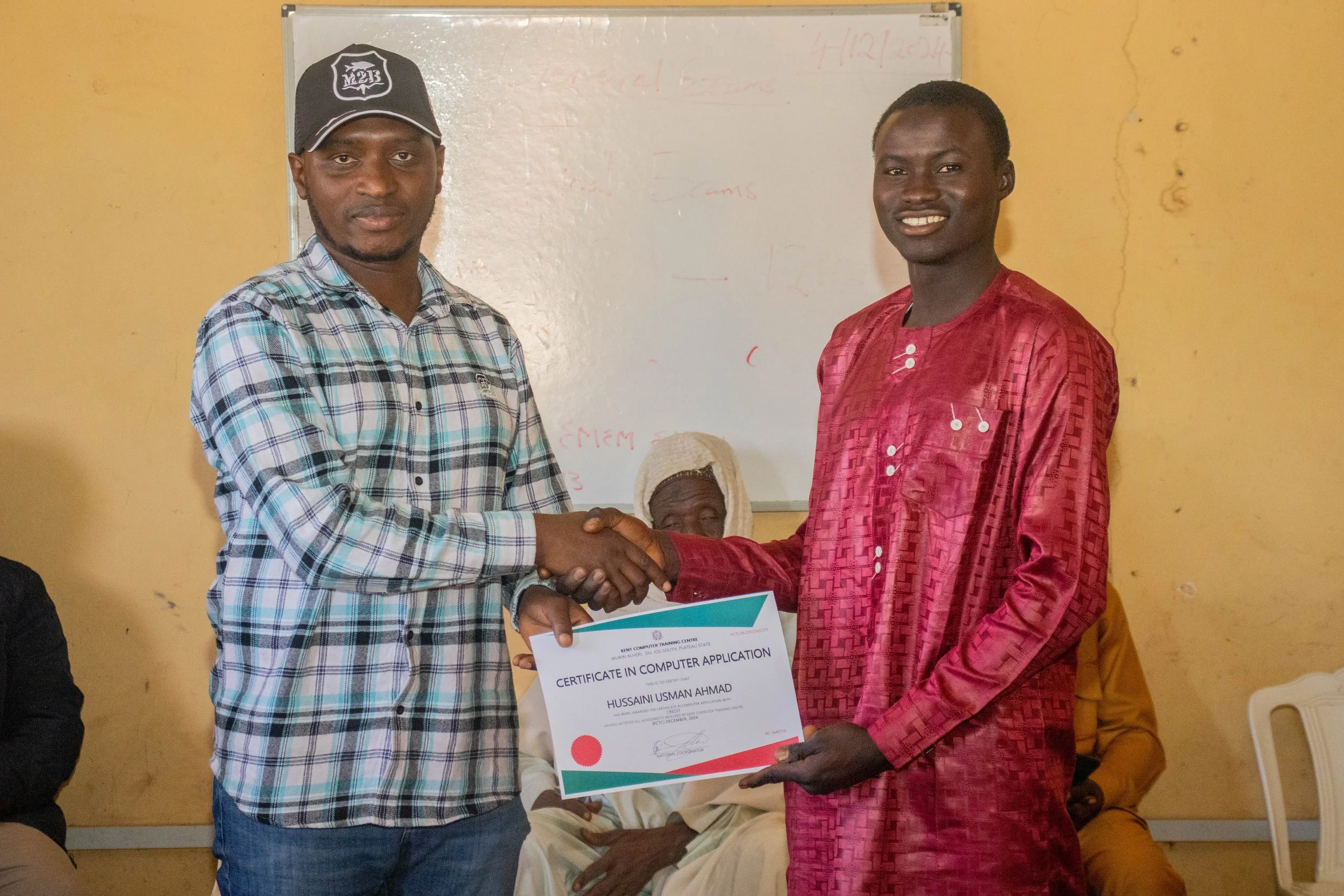
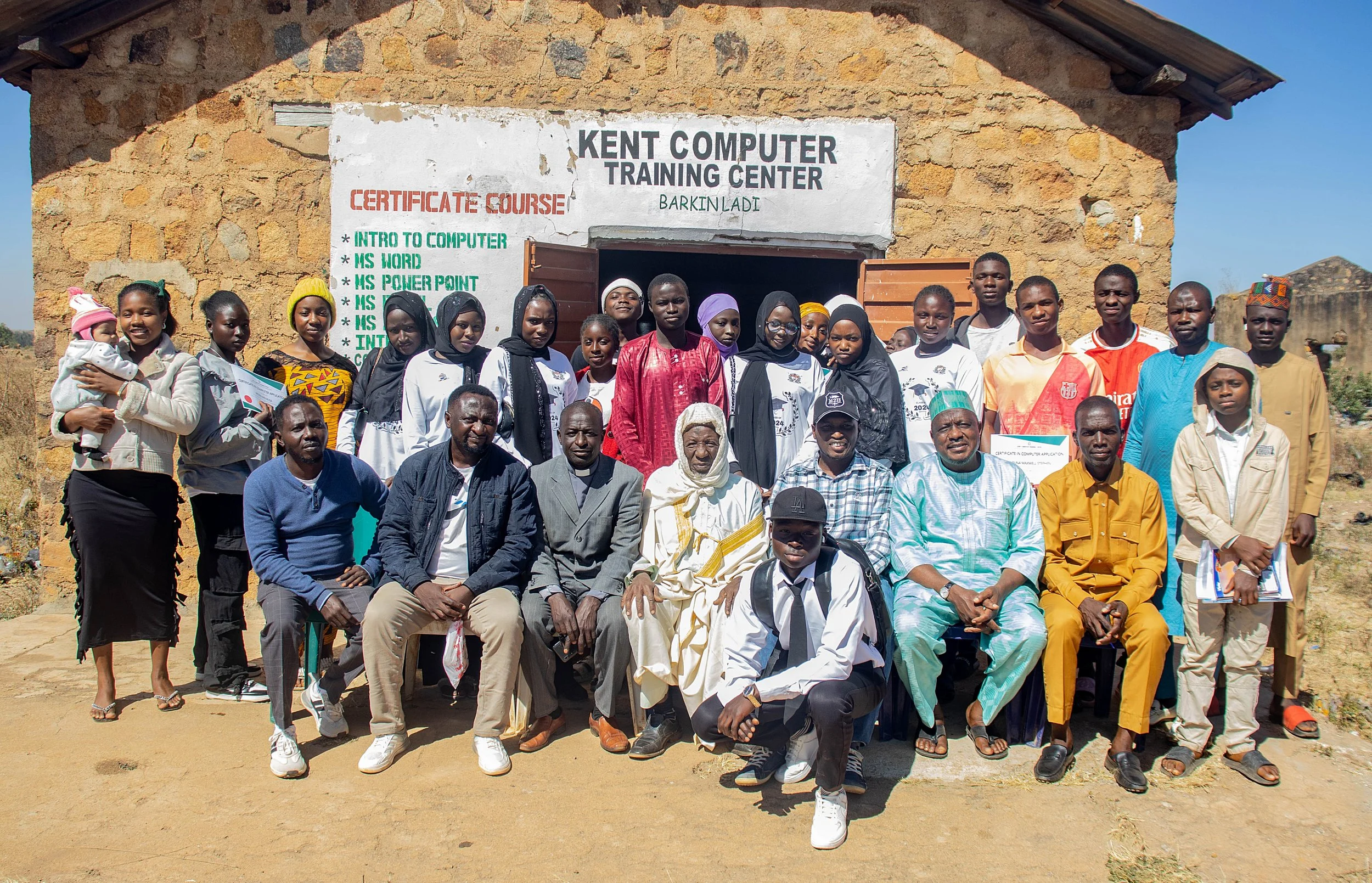
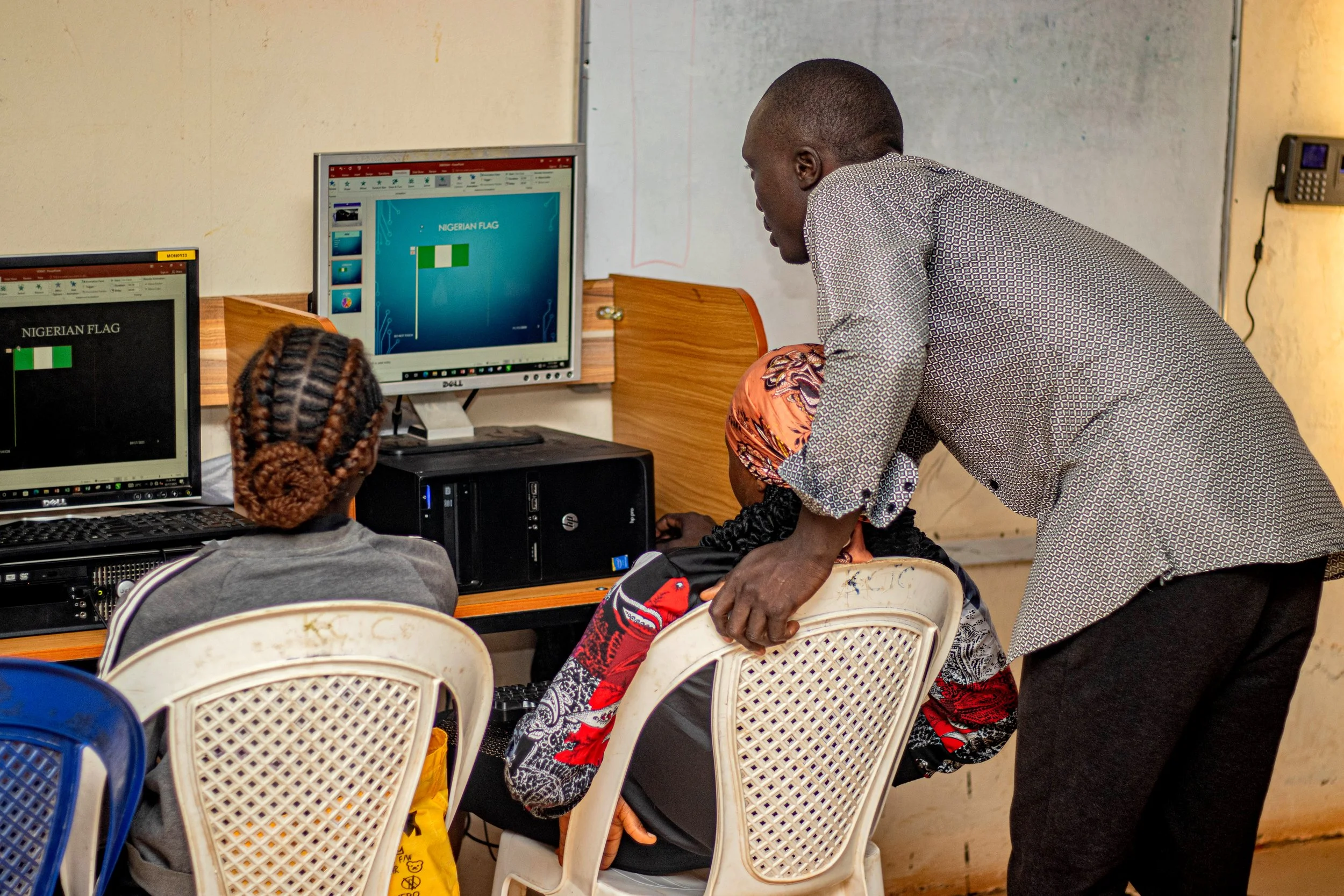
In 2025, the Kent Computer Training Centre (KCTC) in Jos, Plateau State, significantly advanced its peacebuilding mission through a key partnership with Seek Peace. This collaboration yielded the development and printing of formal peacebuilding training manuals, which standardize local knowledge on conflict resolution. Additionally, KCTC trained community-based peacebuilding facilitators to use these manuals in structured classes, helping to transform community dialogue. To ensure these efforts were data-driven, facilitators were also equipped with ICT tools and data-gathering skills. This training enabled them to systematically collect field data on conflict drivers, transforming anecdotal evidence into actionable insights for local peace committees and supporting more effective conflict transformation efforts.
Looking to 2026, KCTC's central hope is to directly enroll more young people from communities recently affected by violent conflict into its core computer literacy programs. This targeted recruitment aims to offer youth a productive alternative to violence and displacement, equipping them with skills for economic resilience. By encouraging a sense of shared purpose in the classroom, KCTC continues to bridge divides and build a foundation for lasting peace in Nigeria.
Re-Imagining New Communities (RNC), Kenya
The year 2025 stands as a defining chapter in the journey of Re-Imagining New Communities. It was a year shaped by listening, learning, and deepening roots within the communities we serve, while simultaneously stepping more boldly into national, regional, and global peacebuilding spaces. Across classrooms, faith institutions, research hubs, and international forums, one truth became increasingly clear: sustainable peace is built when children, communities, and values-driven leaders are placed at the centre.
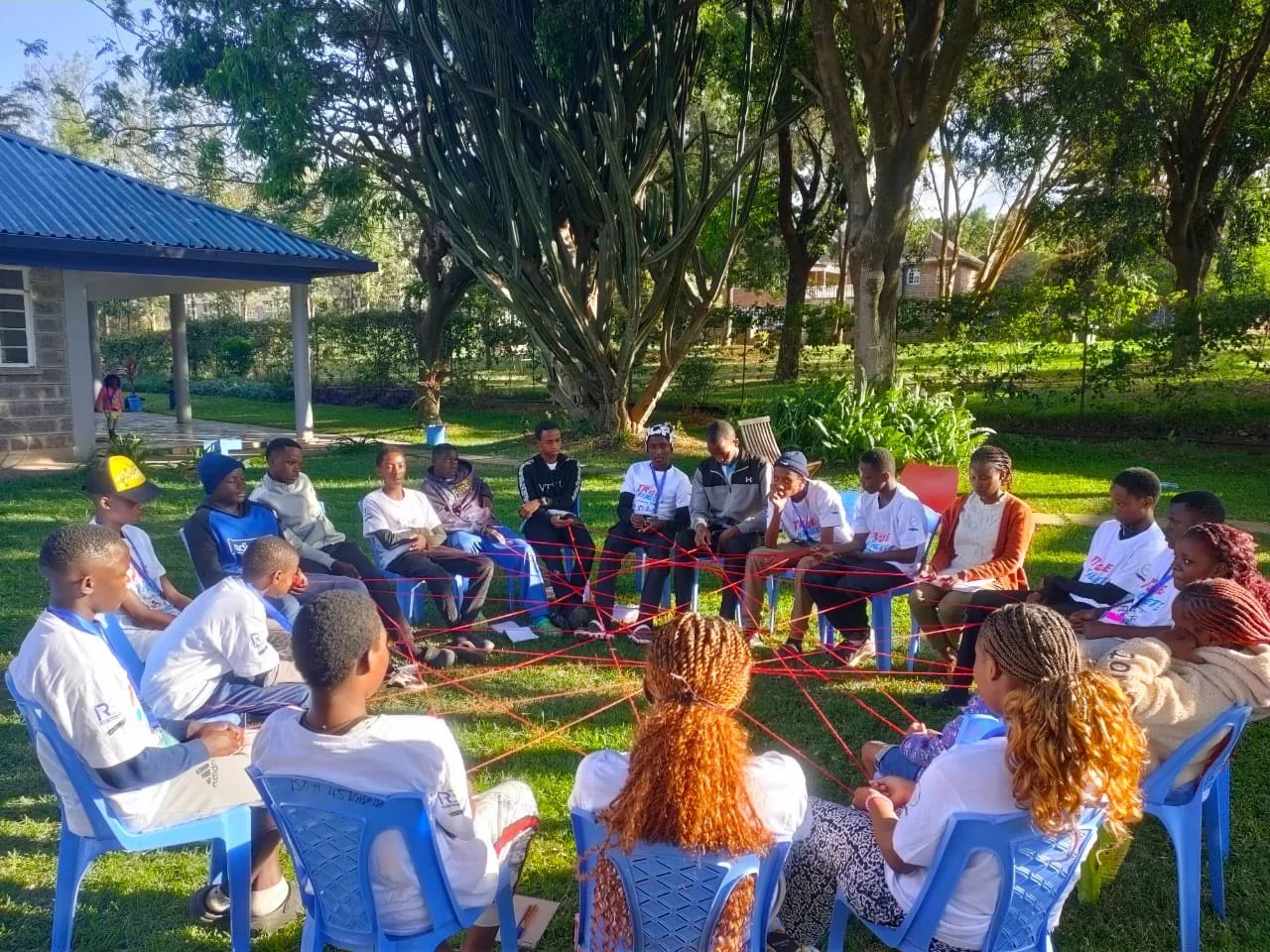
Throughout the year, the organization witnessed the quiet power of child-led peacebuilding. Within the Children-Led Community Peace Labs, children articulated their emotions with confidence, mediated conflicts with empathy, and imagined solutions grounded in care and justice. Schools have transformed into peace spaces and teachers have become co-learners, and communities began to see children as contributors to social change.
2025 also deepened the organization’s engagement with faith communities. Through the Faith for Peace program - a faith-based peace education pilot, workshops with faith leaders, and systems and structural support to local churches, the organization encountered renewed possibilities for faith spaces to become anchors of ethical leadership, safeguarding, and reconciliation. These engagements reaffirmed the importance of approaching peacebuilding as a moral and relational commitment.
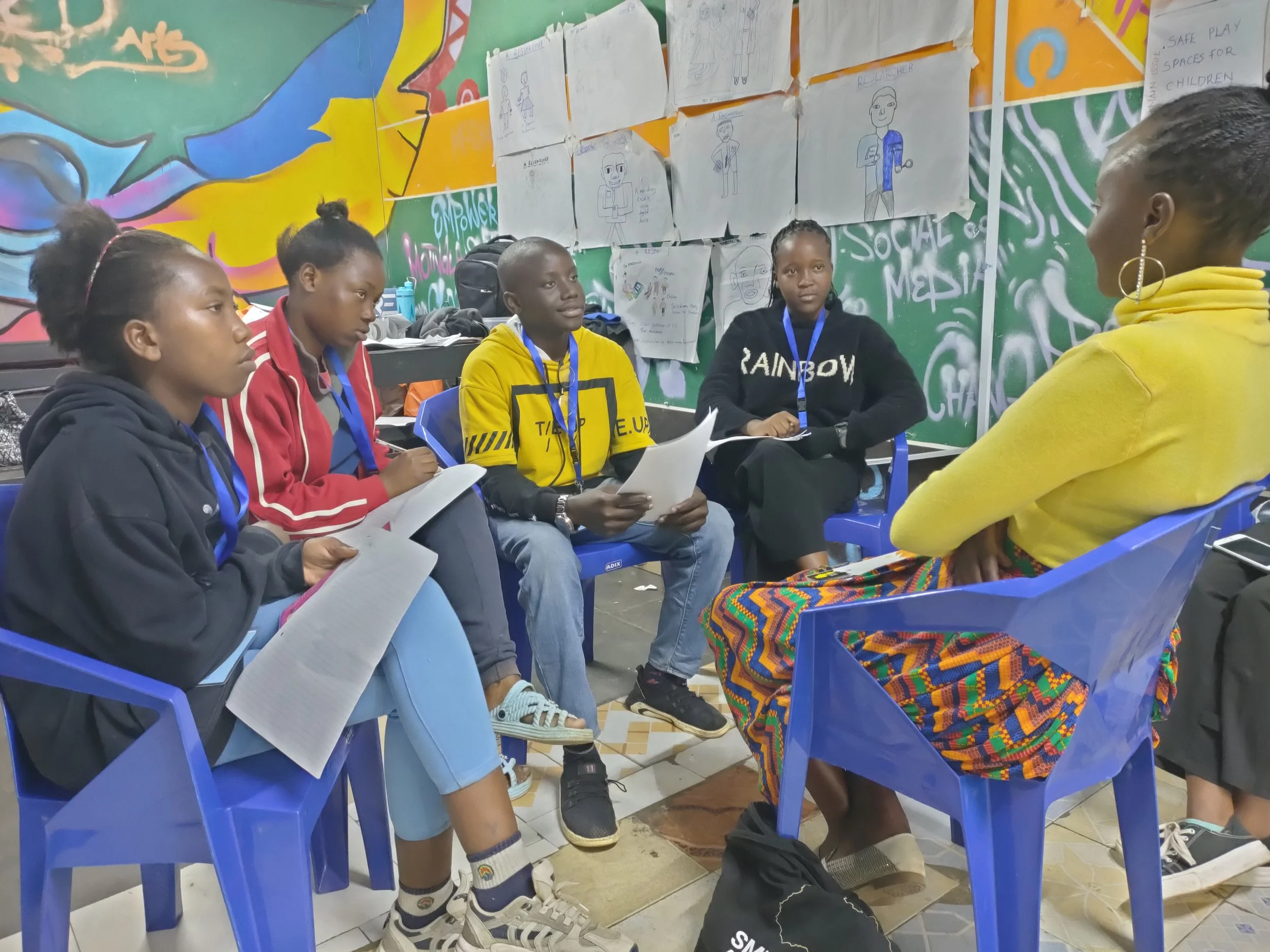
At the same time, the organization expanded its evidence-building work, walking alongside researchers in Kenya’s informal settlements, as they examined play, safety, and belonging in urban spaces. Their insights reminded us that data is not only numbers - it is story, experience, and advocacy.
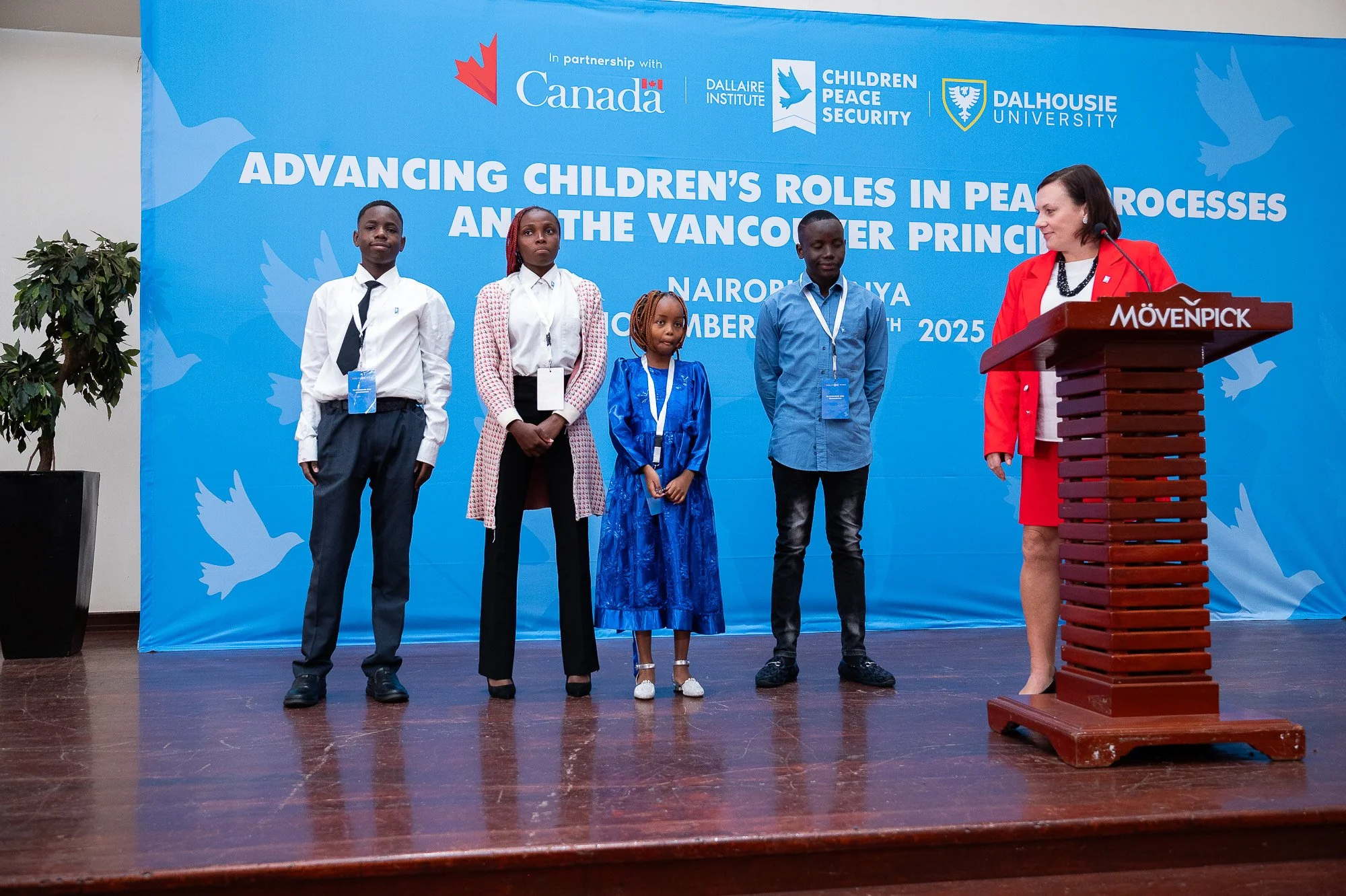
From Nairobi to South Africa, and from school peace labs to global conferences, Re-Imagining New Communities carried the voices of children into rooms where policies are shaped and futures imagined. While challenges tested capacity and systems, they also strengthened resolve. As 2025 closed, the organization stood more grounded, more visible, and more committed than ever to nurturing peaceful, inclusive, and resilient communities.
Christian Rural and Urban Development Association of Nigeria (CRUDAN), Nigeria
In 2025, the Christian Rural and Urban Development Association of Nigeria strengthened peacebuilding and social cohesion across its zones through faith based integral mission and trauma healing, inclusive community development planning and conflict prevention initiatives that addressed both structural and relational drivers of conflict.
Church and Community Mobilisation Project for Integral Mission (Supported by the Interested Friends of the Ministry)
This project strengthened peacebuilding by transforming theological education and church practice toward integral mission across CRUDAN’s zones. Fifteen theological institutions were trained, with the majority adopting the project’s curriculum as a formal course of study. At the community level, Bible study cohorts demonstrated positive worldview shifts, increased mutual support, and improved stewardship of local resources. Churches implemented community development initiatives that promoted reconciliation, fellowship, and shared responsibility.
Seek Peace provided strategic technical support to this project, strengthening peacebuilding learning, evidence generation, and accountability. This included outcome harvesting, verification of change at institutional and community levels, development of an interactive impact dashboard, and quarterly reflection processes that supported adaptive learning and strengthened confidence in reported outcomes. The establishment of zonal trauma healing support groups created safe spaces for healing, resilience, and wellbeing, reinforcing social cohesion beyond denominational boundaries.
Support to Improving Social Cohesion through Community Development Planning in Ten Wards of Guyuk Local Government Area Adamawa State (Implemented in partnership with Oxfam in Nigeria supported by the German Agency for International Cooperation with funds from the German Federal Ministry for Economic Cooperation and Development)
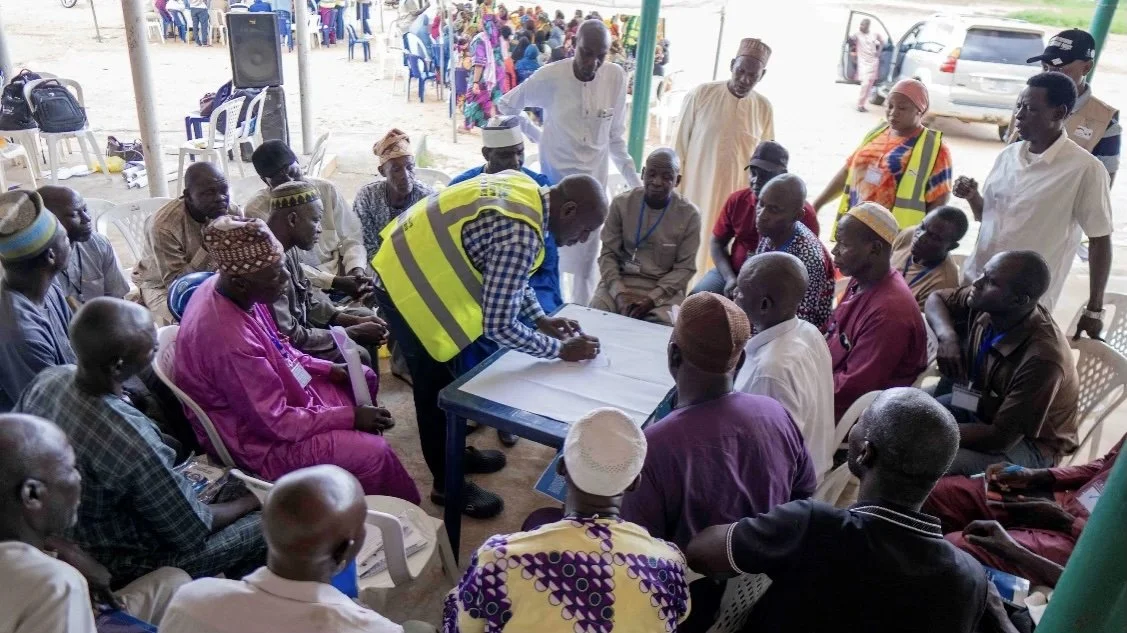
This project strengthened local peace infrastructure by embedding inclusive and participatory governance into community development planning processes. Community mobilisation and sensitisation were conducted across all ten wards, followed by baseline and ward analysis validation and community development planning workshops with key stakeholders.
To ensure sustainability and effective facilitation, CRUDAN trained Local Government Development Coordination Committees, Ward Development Support Coordination Committees, ad hoc facilitators, and rapporteurs on conflict sensitive community development planning. Two-day sessions for wards clustered in pairs engaged over 2,100 community members in structured dialogue, collective problem analysis, and consensus-based priority setting. Participatory stakeholder review and validation workshops further reinforced transparency, trust, and community ownership.
Additional capacity building targeted Ward Development Structures in line with the Citizens Engagement and Participation Policy provisions and the Ward Development Structure Practice Guide, core Local Government Area political and administrative leadership on inclusive governance and gender responsive planning and budgeting, and Local Government Development Coordination Committees and Social Development Coordinating Committees on their roles in Citizens Engagement and Participation Policy implementation and institutional linkages. Weekly mentoring and supportive visits guided pilot interventions and ensured conflict sensitive implementation.
Live Fencing to Mitigate Herders and Livestock Encroachment on Farmlands Project (Supported by Tetra Tech International Development)
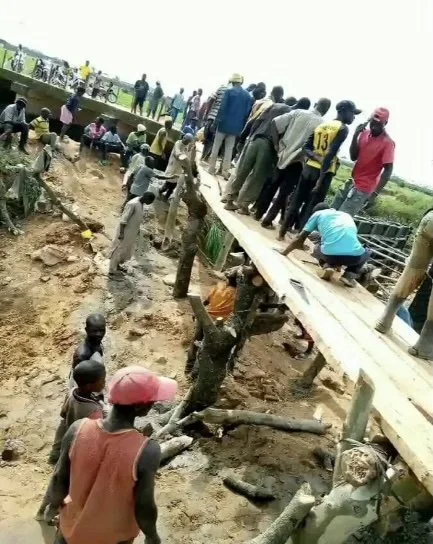
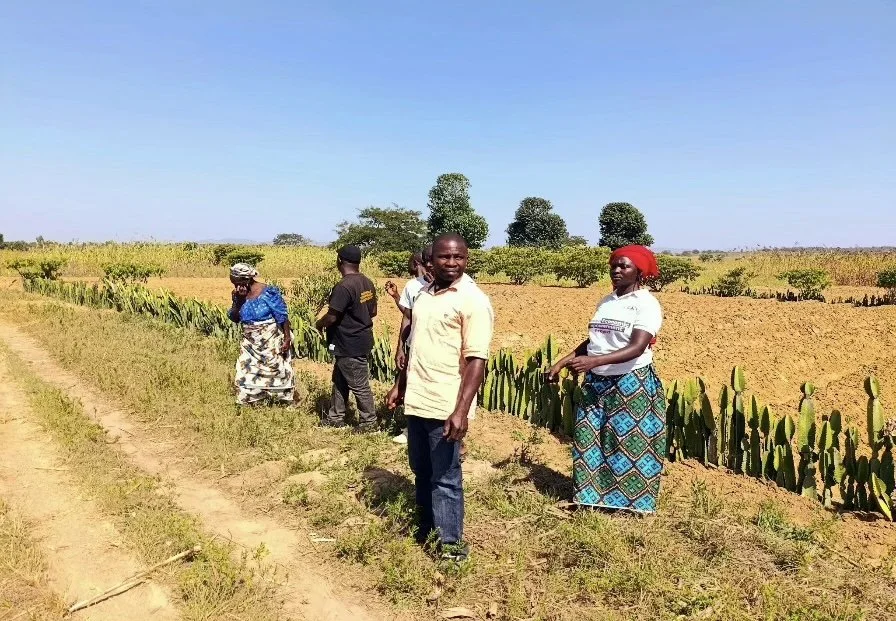
Under this project, CRUDAN addressed farmer / herder conflict through practical and dialogue driven peacebuilding approaches. The live fencing initiative reduced direct triggers of conflict by preventing livestock encroachment on farmlands, clarifying land boundaries, and promoting mutual respect and coexistence between farmers and herders.
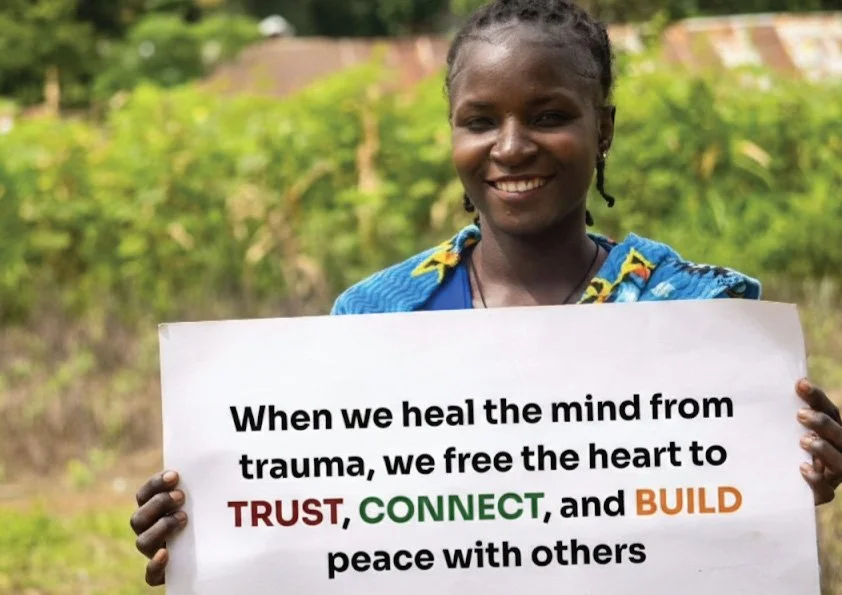
The project also implemented trauma healing sessions to help conflict affected individuals process grief, fear, and anger, reducing the likelihood of retaliatory violence and strengthening reconciliation. Community theatre and drama created safe creative spaces for communities, particularly youth and marginalised groups, to explore conflict drivers, reflect on the consequences of violence, and imagine peaceful alternatives.
Bi monthly stakeholder dialogues brought together peace ambassadors, traditional leaders, community representatives, and government actors to strengthen early warning and early response mechanisms and resolve disputes before escalation. A notable outcome was the successful prevention of an imminent farmer herder conflict in Attakar Community Kaura Local Government Area, where an emergency peace dialogue convened by CRUDAN restored calm, secured mutual forgiveness, and strengthened local government commitment to sustained peacebuilding.
Christian International Peace Service (CHIPS), Ghana and UK
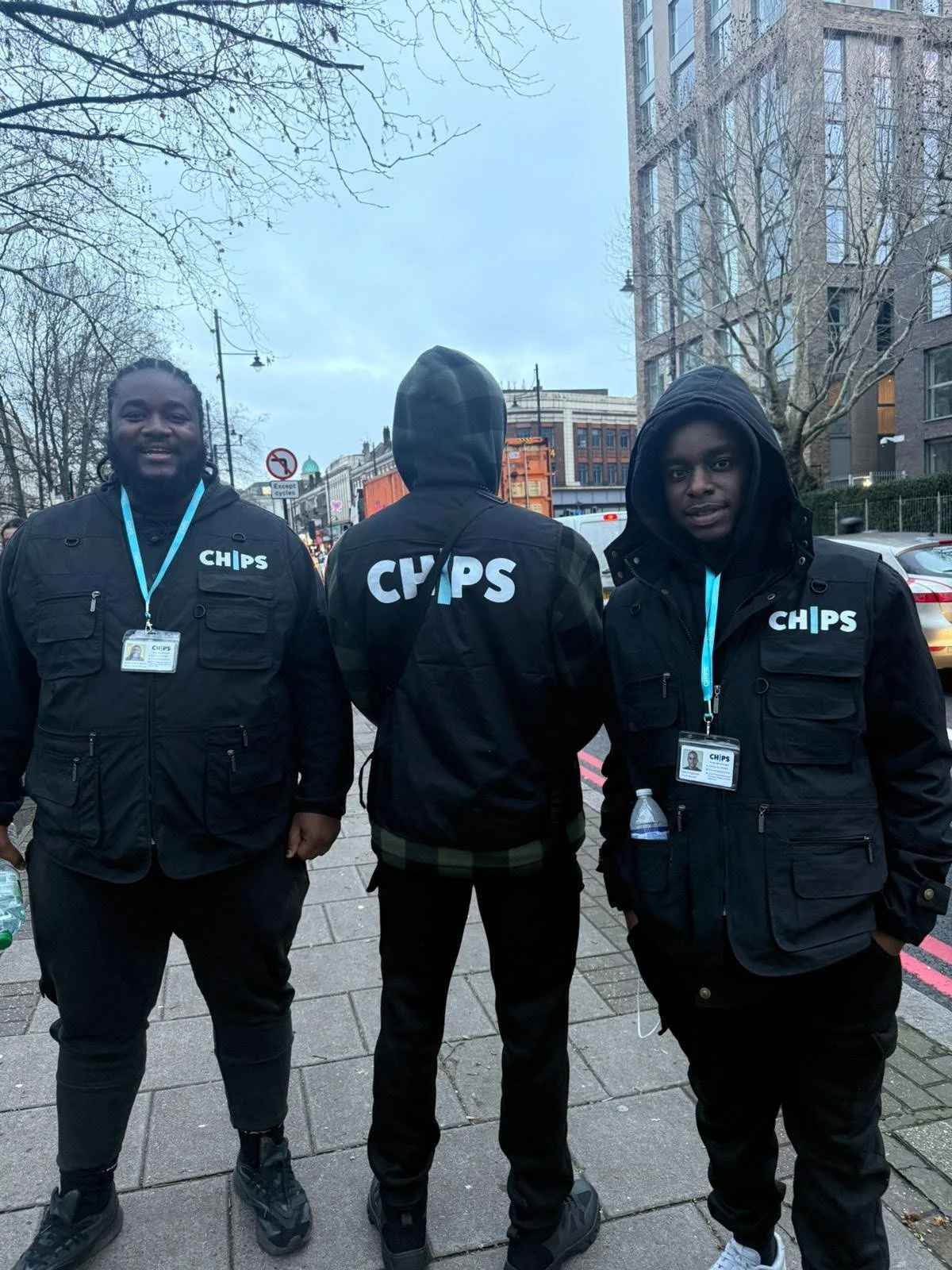
Developing Stronger Monitoring with Seek Peace: Over the past two years, Seek Peace has played a vital role in helping CHIPS strengthen how we monitor and evidence our impact in Brixton.
In 2024, Seek Peace worked with us to develop a clear Theory of Change for our Brixton programme. This process helped us articulate how our activities contribute to meaningful change for young people and their communities, giving us a much stronger foundation for monitoring and learning.
In 2025, we have continued to build on this work through the development of a bespoke monitoring app. Seek Peace has been incredibly patient and supportive throughout the process, helping us design a true one-stop system for registration, attendance tracking, and outcomes monitoring. As our work has grown, the system has evolved too, with new sections added to reflect emerging activities such as detached youth work helping us track locations and gather information to continually improve our practice.
This has significantly improved our ability to measure impact in a clear and quantifiable way. It also contributed to CHIPS being awarded the London Youth Bronze Quality Award, recognising the quality of our systems and practice.
Seek Peace is now training our team to run and develop the system in-house, building long-term sustainability. For many of our team it's the first time they're seeing a full monitoring, evaluation and learning (MEL) process and they're coming up with improvements as well! Without Seek Peace’s expertise and commitment, we simply would not be where we are today.
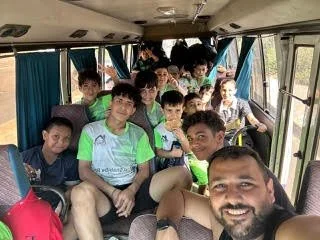
Al Shabiba Risala (ASR), Lebanon
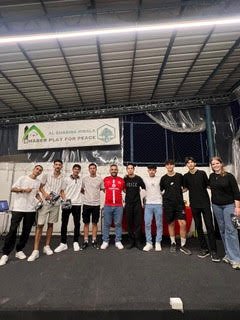
As we look back on 2025, we are thankful for God’s faithfulness to ASR and for the steady growth we have seen across the community. One highlight was seeing our team strengthened as new volunteers joined our staff, allowing us to serve with more consistency and care. We also saw God provide in practical ways, enabling us to pay $50,000 USD towards the building instalments, an important step towards long term stability.
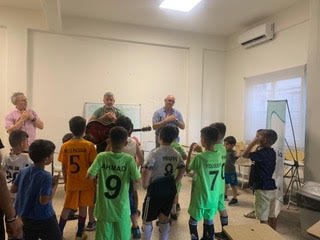
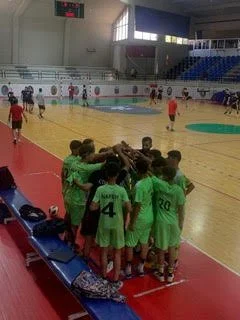
Participation among women and families increased throughout the year, with attendance in Zumba, psychosocial support sessions, English classes, and Bible-based life story and conflict groups nearly doubling. Alongside these activities, we continued our medication distribution programme, providing essential medicines and visiting people in their homes. These visits created space to listen to their stories, pray together, and offer personal support. Play For Peace remained central to our work, supporting children’s physical, emotional, and social development. Youth stepped into assistant coaching roles, learning responsibility and leadership, and many children shared that ASR feels like a family. Friday youth gatherings focused on worship and Scripture also grew, with young people engaging more deeply with the Bible.
As we look toward 2026, we plan to build on this foundation. Play For Peace will continue with a clearer structure and rhythm, allowing for more consistent impact. We are also preparing to launch the Peace Leaders Training Programme, a six month process to equip emerging Christian leaders to live out peace and reconciliation in their communities. Alongside this, English classes, Zumba classes, the medication programme and other community activities will continue as we move forward trusting God with what lies ahead.