
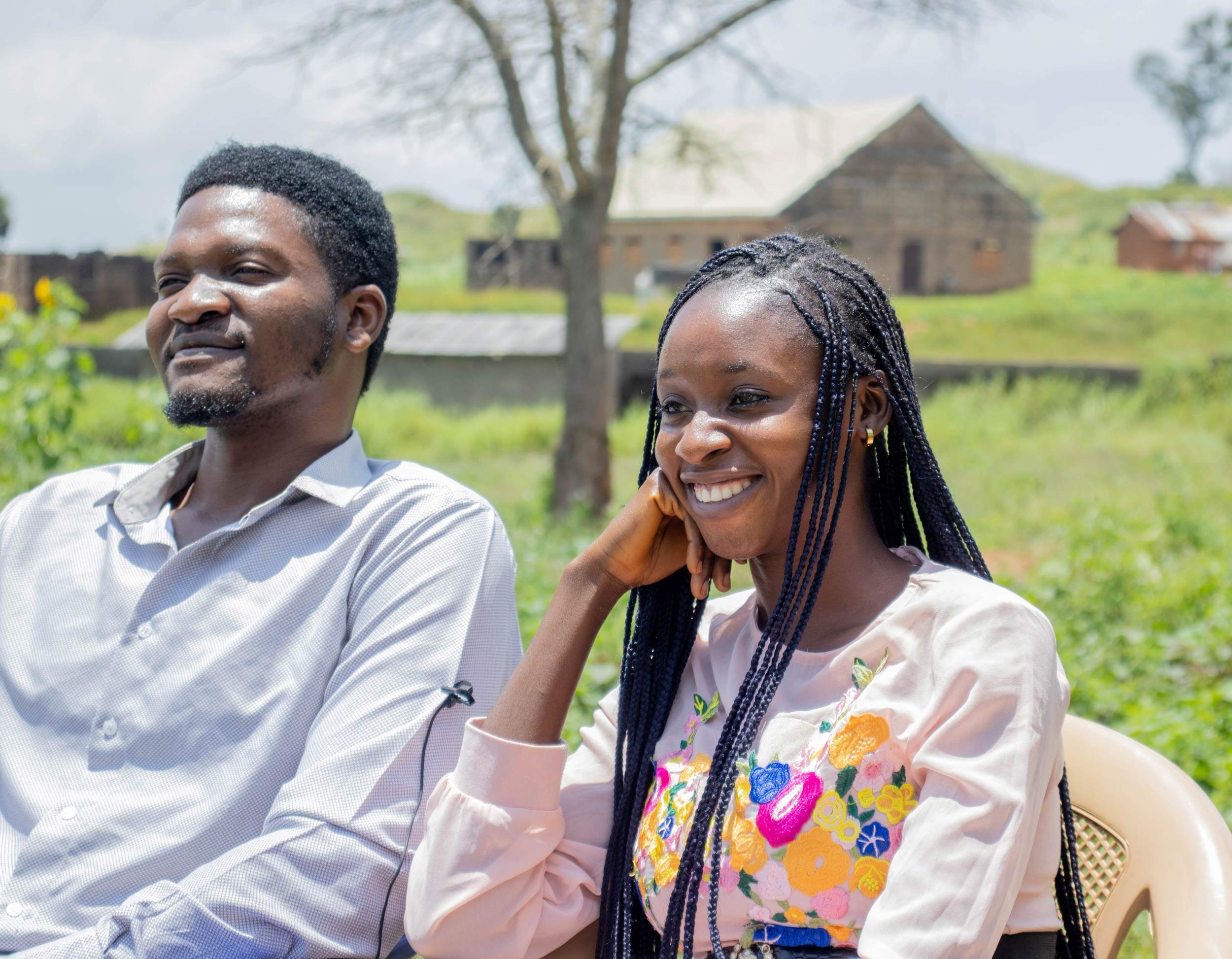
Equipping the Church to be a voice for peace in every community
We partner with churches and faith communities around the world to plan, learn, adapt and fund faith motivated, evidence-led, everyday peacebuilding
Our Work
Around the world, conflict is on the rise. In fact, over the last five, the number of active conflicts has doubled - and few are finding resolution. At the same time, the Christian faith is growing most rapidly in regions vulnerable to conflict, especially in the Global South and areas like sub-Saharan Africa.
Meanwhile, churches in the Global North are experiencing a decline in faith adherence generally, signally to us a need for a change in posture from the West from ‘experts and leaders’ to become facilitators of technical skills and conduits of resources to enhance and support the movement of the Holy Spirit and Christian leaders in the regions where the Church is emerging.
We take a local, decolonised, faith-inclusive approach to peacebuilding, working closely with our partners to determine how we can best support them. We review this regularly, iterating our partnership design to meet their changing needs in an adaptive way.
Conflict Analysis
We support our faith partners to take a systems view in analysing the role religious institutions, actors and theologies play in driving conflict or catalysing peace.

Programme Design
We support our faith partners to draw on their distinctive strengths as well as their theologies of peace and reconciliation as we walk with them to take an evidence-led approach to their programme designs. We support them to think through their own assumptions about change as they consider their Christian lens and conception of spiritual transformation.
Monitoring, Evaluation & Learning
We support our faith partners to be committed to understanding the actual changes resulting from their peacebuilding and to use these learnings to improve their programmes to have a greater impact.
Sustainable Funding
We support our faith partners to source, write and secure funding through foundations and grant bodies to help sustain their vital peacebuilding work. We co-bid for institutional funding with our partners and provide the monitoring, evaluation and learning services to meet the requirements of the grant.

Featured project: Consulting
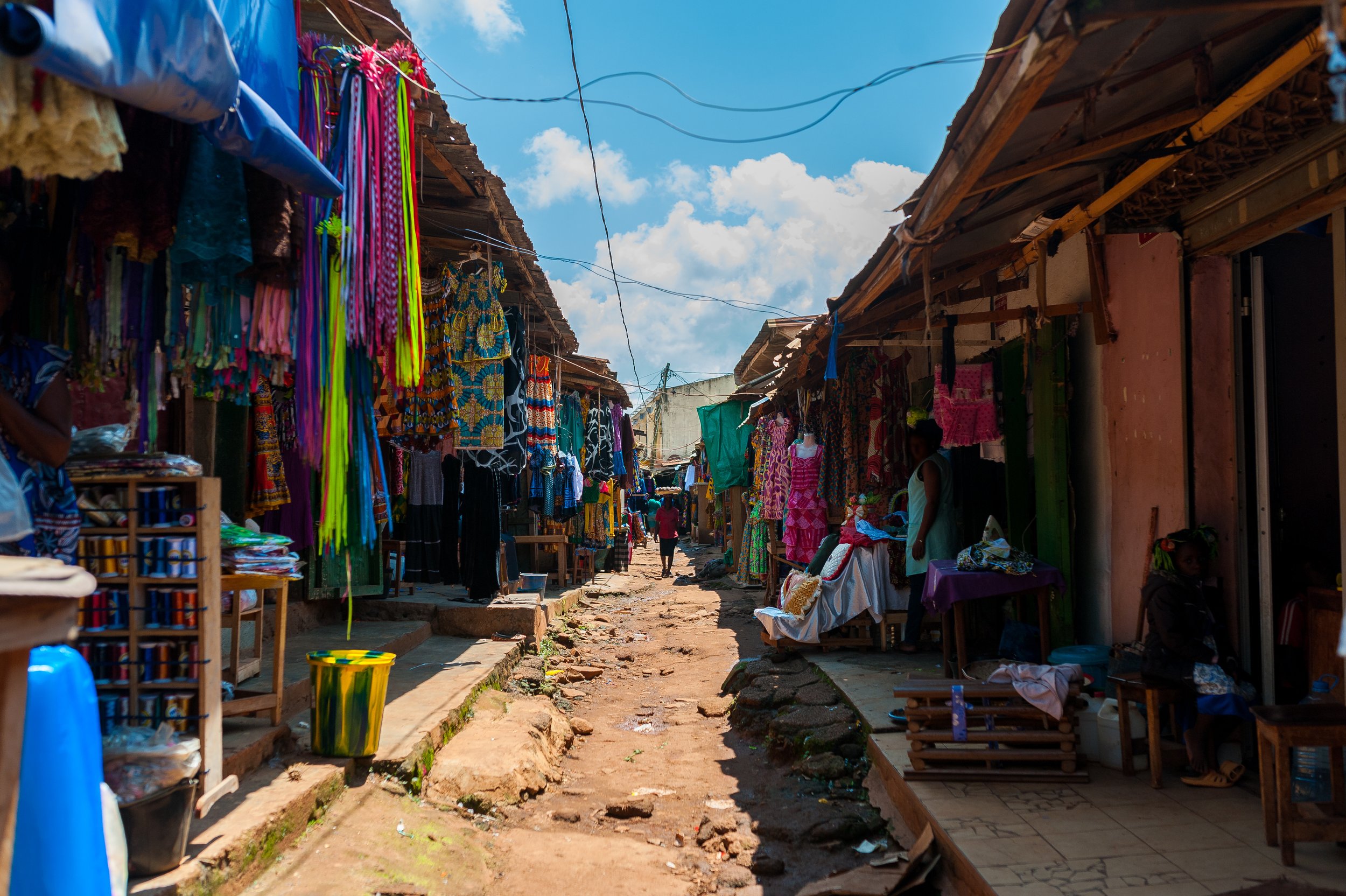
How can Churches in Kenya promote reconciliation in their communities?
Seek Peace facilitated a theory of change process with RNC in Kenya to co-design a three year project to upskill pastors and congregations in 15 churches and track their impact. Pastors are taught conflict transformation skills and encouraged to put in place systems for transparency and participatory decision making. Finally RNC support the Churches to listen to their communities, identify tensions and develop bridge building initiatives.
What Kind of Peacebuilding?
We look to equip the Church to be a voice for peace in every community: so that when people think about the local church they envision a community of people committed to justice, truth telling, forgiveness and reconciliation. But what kind of ‘peacebuilding’ supports this?
What this kind of peacebuilding is
It’s rooted in community relationships. Peacebuilding begins in local communities, often in quiet and unobvious ways. It’s about restoring broken relationships, healing trauma, and reweaving trust - not just signing ceasefires or political agreements. It honours lived experiences and agency of those directly affected by conflict.
It includes cultural and spiritual wisdom. Local peacebuilders often draw on indigenous practices, oral traditions, and faith-based principles that have helped communities survive and reconcile for generations. Peacebuilding is deeply spiritual. Forgiveness, justice, truth-telling and reconciliation are grounded in traditions of faith. Local religious leaders and lay epople are often trusted mediators, deeply embedded in the moral and social fabrice of their communities.
It centres the voices of the marginalised. Women, youth and other marginalised groups are often at the front lines of peace, even when they’re excluded from formal negotiations. It’s about creating space for communities to speak for themselves, define peace in their own terms, and lead the work.
It is long-term and iterative. True peacebuilding is not project-based or time-bound. It’s a generational effort. It invovles patience, listening, and a recognition that transformation is ongoing.
What this kind of peacebuilding is not
It is not imposed. When peace efforts are shaped without the voice and leadership of local communities, they often echo colonial systems - reducing people to recipients rather than honouring them as co-creators in the work of healing and justice. From a faith perspective, true peacebuilding reflects the sacred worth of every person and the divine calling to walk together in mutual respect. Decolonised peacebuilding reflects solutions that ignore people’s histories, dignity, wisdom and worth.
It is not just conflict resolution. Peacebuilding goes beyond the absence of war. It involves building just systems, dignity, and shared belonging.
It is not apolitical or neutral. Peacebuilding is not about avoiding difficult truths or ‘both-sidesing’ injustice. It means confronting power, naming oppression, and challenging structures that fuel violence - colonialism, racism, patriarchy, extractivism.
It is not transactional or donor-driven. Peace can’t be ‘delivered’ through checklists, reports or funding cycles. Local peacebuilders often do this work regardless of funding, because it’s part of their ethical and spiritual commitment to their communities. This kind of peacebuilding is messy, sacred, and grounded in people’s histories, hurts, hopes, and beliefs and honours the relational practices of Jesus.
Statement of Faith
We believe all are created in the image of God and tasked with bearing this image in Creation. We commit to honour the dignity of all people, their inherent value and their agency.
We believe God is a liberator of oppressed peoples and calls us to uphold justice for others. We commit to stand with the marginalised and work together to address systems and cultures of violence.
We believe in Jesus who, being the perfect image of God, moved into our neighbourhood. We commit to His Sermon on the Mount ethic and to practically living out His teachings.
We believe in the death, resurrection and ascension of Jesus as a divine act of reconciliation and victory over evil (death). We commit to the sacred practice of reconciliation; aware of both its costs and the life that flows from it.
We believe in the presence of God in our lives through the Holy Spirit. As we live out our new lives we commit to being guided by the Spirit as individuals and as a community looking to better reflect His image.
We believe in the Church as a divinely instituted community of peoples coming together to live out this image. We acknowledge where this has not been done well in the past and we commit our gifts to steward it into the future as a catalyst for love, justice and peace.
We believe salvation means Creation healed in the ultimate coming together of heaven and earth. We commit to living in this tension where our feet are grounded in the reality of present sufferings, but our hearts are full of hope for renewal.
Staff & Consultants

John Hodge
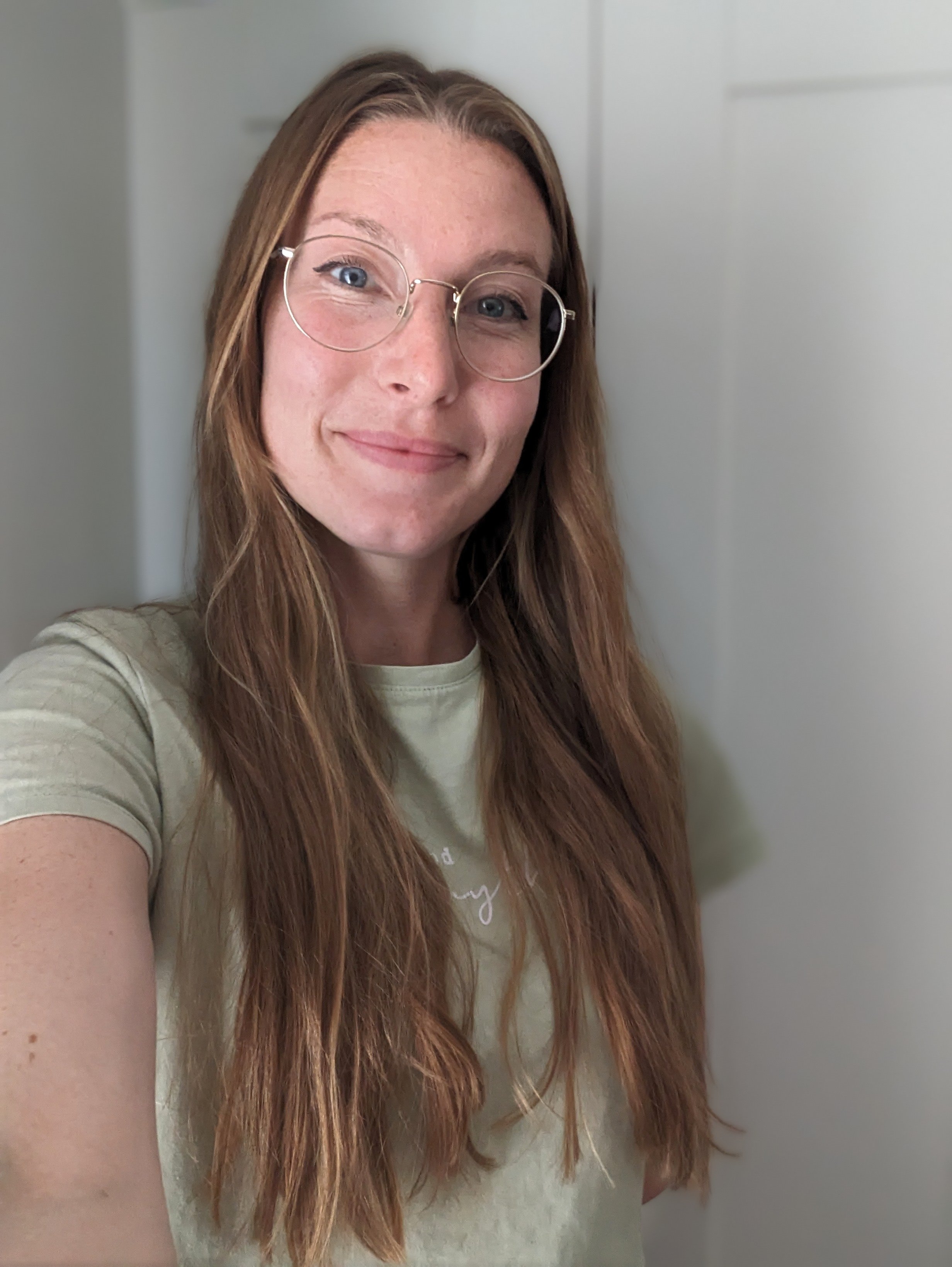
Michaela (Kay) Hodge
Research & Operations Director
MSc Sustainable Development, ESRC PhD Candidate in Government & International Affairs
Board of Trustees
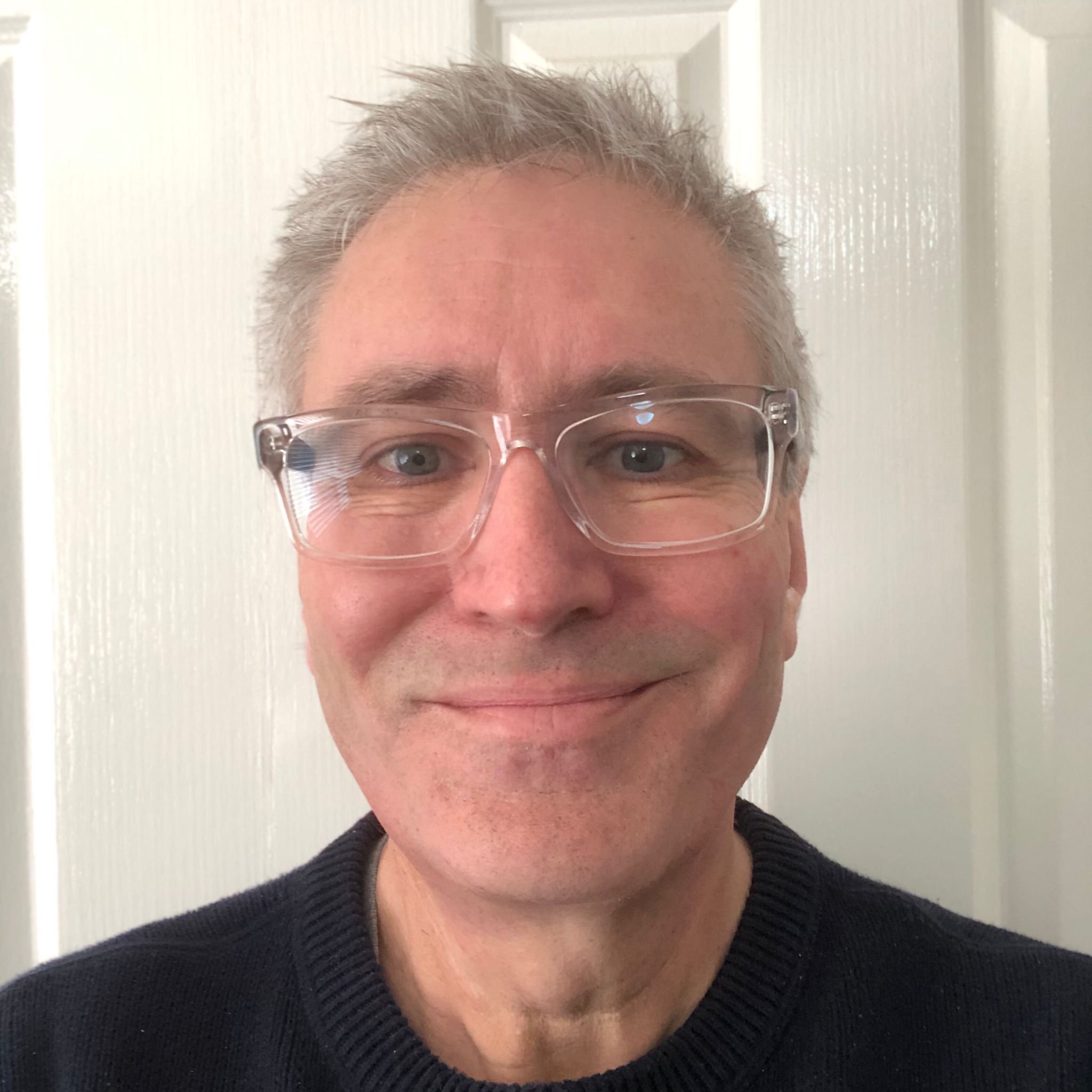
trustee
Retired Principal Scientific Advisor in Monitoring, Evaluation, Research and Learning at Compassion International
Dr Alistair Sim

trustee
Experienced non-profit & church trustee and administrator
Nigel Thomas

Boniface Agbo
Senior partnerships manager
M.A Organizational Leadership (In-view) M.Sc Accounting, B.Sc Accounting

Chairperson & trustee
ICAEW Member and retired Audit Partner at BDO LLP
Paul Clark
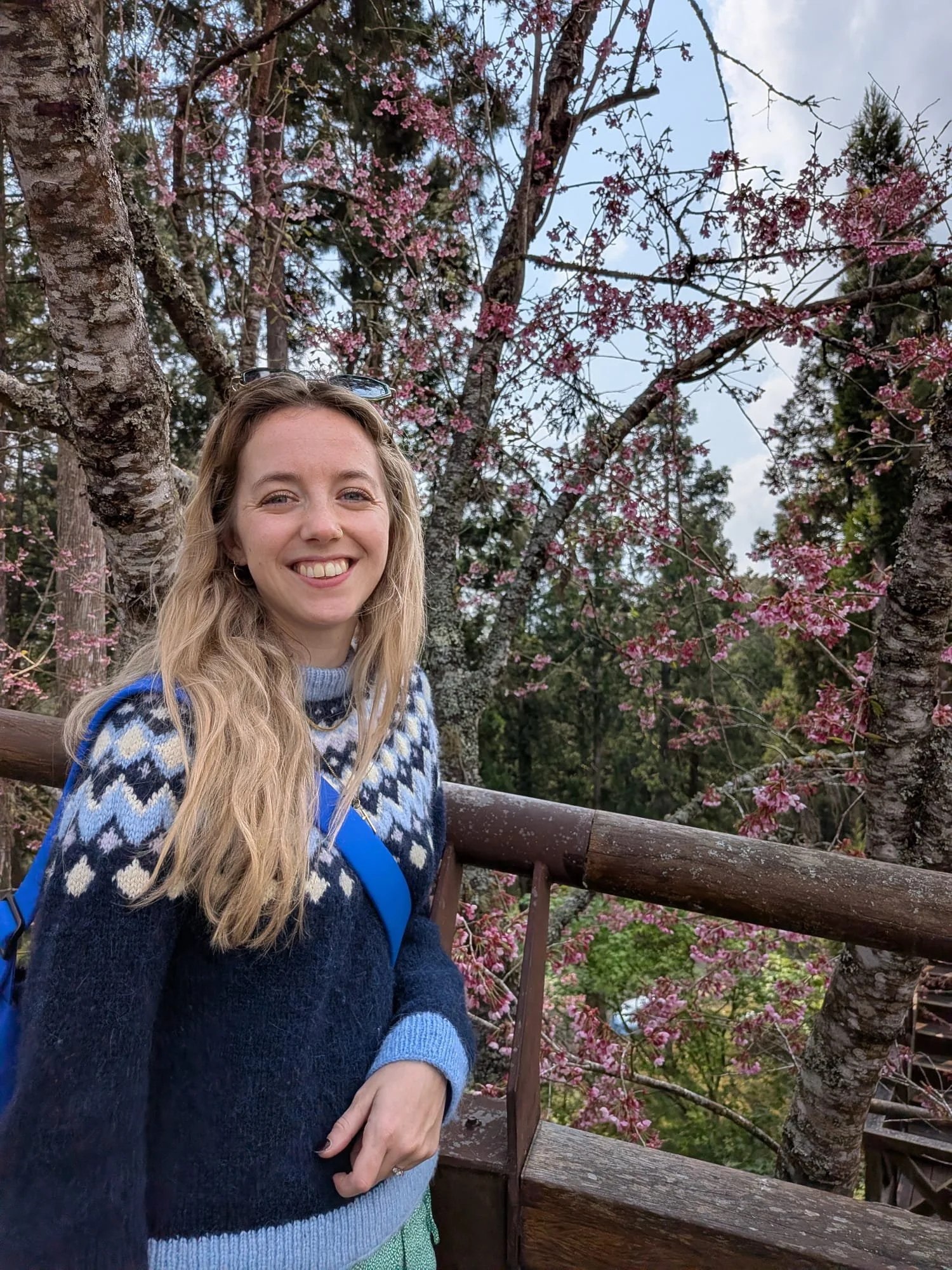
Roisin Lawrence
OPERATIONS & FINANCE COORDINATOR
BAHons Philosophy & Theology, MA Gender Studies (Middle East)

Trustee
MA Peacebuilding & Reconciliation, MEAL practitioner, Humanitarian worker